


Public helps to gather valuable results
A citizen science project run by Anglia Ruskin University (ARU), has revealed that solitary, ground-nesting bees are capable of nesting in a wide variety of habitats. This research could help to protect these important pollinators through better land management.
As solitary bees’ nests can be difficult to find, there has been little research into their nesting behaviour. By enlisting the help of the general public, ARU researchers were able to conduct a far more expansive study. In total they received almost 400 submissions during 2017.
The public were asked to report active nesting sites of four solitary species that nest in aggregations. These species were:
- The ashy mining bee
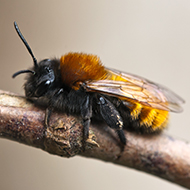
- The tawny mining bee
- The ivy bee
- The yellow-legged furrow bee.
Verifiable recordings revealed that the bees studied were able to nest in a broad range of habitats, with varying preferences between species.
Tawny mining bees were typically seen nesting on flat ground (82 per cent). 68 per cent of these nests were in at least partial shade. In contrast, ivy bee nests were found on both flat and sloped land, and 74 per cent of these nests were fully exposed to sunlight.
Senior lecturer in zoology at ARU Dr Thomas Ings, who is also the senior author of the study, said: “By enlisting the general public we have been able to increase awareness of solitary bees and at the same time collect valuable information on nest site characteristics.
“This information on nesting behaviour is highly valuable because it puts us in a better position to provide advice to land owners on how to manage their land sympathetically in order to protect these important, ground-nesting solitary bees.”


 Eligible members of BEVA will be able to vote for their Council team until Monday, 17 August 2026. Members will have received an election email on 17 July.



