


Animalcare achieves carbon neutral status
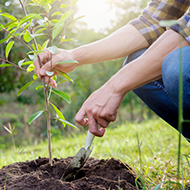
Animalcare aims to plant more than 200 native trees close to its headquarters.
Animalcare has announced that it has achieved carbon neutral status as part of its commitment to run a sustainable business.
The animal health firm began offsetting its carbon emissions earlier this year following a detailed assessment by Carbon Footprint Ltd. Among the steps already taken to reduce emissions include tree planting and embracing virtual meetings.
“Our responsibility as an animal health company extends beyond helping our veterinary colleagues to care for sick and vulnerable animals,” commented Animalcare product manager Kai Crawshaw. “We also take our responsibility to the environment, both at home and globally, very seriously.”
Animalcare's carbon emissions assessment revealed that some of its highest carbon-emitting activities concerned business travel. While this has been reduced as a result of COVID-19, the company plans to continue its use of virtual meetings once travel restrictions are lifted.
To further support a reduction of carbon in the atmosphere in the UK, Animalcare is participating in the Brazil Verified Carbon Standard REED project, an initiative that aims to prevent unplanned deforestation in the Amazon Rainforest. The firm also plans to plant more than 200 native British broad-leaved trees at a venue close to its headquarters later this year.
“As some aspects of our work, for instance, the packaging of our products, are governed by regulation so, beyond our direct control, we are focusing strongly on what we actually can do to make a difference,” Kai Crawshaw added. “We have already taken steps to reduce and offset our carbon emissions and are looking forward to helping to improve our local environment by planting more trees.”


 Eligible members of BEVA will be able to vote for their Council team until Monday, 17 August 2026. Members will have received an election email on 17 July.



