


Zoo freezes genetic samples to save animals from extinction
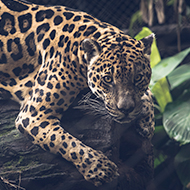
Jaguars are among the threatened animal species that have been successfully cryopreserved in the Nature's SAFE biobank.
Conservationists at Chester Zoo have started to freeze tissue samples from some of the world's rarest creatures in a bid to save them from extinction.
The scientists have joined forces with leading animal reproduction experts to establish Nature's SAFE (Saving Animal From Extinction) – one of Europe's largest living biobanks for the future regeneration of animals.
It involves taking ovarian and testicular tissue samples from deceased animals, and keeping them frozen at -196C, the point at which the cells enter a state of suspended animation.
The hope is that as reproductive technologies advance, the samples could help to further conserve species globally by generating sperm and eggs.
Nature's SAFE has already successfully cryopreserved multiple cell types from more than 100 highly threatened animal species, including the Eastern black rhino, mountain chicken frog, jaguar and Javan green magpie.
Dr Sue Walker, head of science at Chester Zoo and co-founder of Nature’s SAFE, explains: “With gene pools and animal populations continually shrinking in the wild, the work of modern conservation zoos like ours has never been more important.
“Technologies, such as cryopreservation, offer us a new, critical piece of the conservation puzzle and helps us provide a safeguard for many of the world’s animals that, right now, we’re sadly on track to lose.”
There are currently more than 142,500 species on The IUCN Red List, with more than 40,000 species threatened with extinction. Working closely with zoos across Europe, Nature's SAFE aims to provide a vital insurance policy for endangered wildlife to protect it for generations to come.


 Eligible members of BEVA will be able to vote for their Council team until Monday, 17 August 2026. Members will have received an election email on 17 July.



