


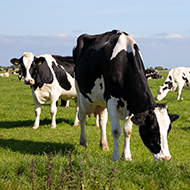
The plans mark a new step in efforts to eradicate the disease.
People, animals and the environment are all set to benefit from a new blueprint designed to eradicate bovine tuberculosis (bTB) in Northern Ireland.
The blueprint sets out key priorities and actions to be further developed to tackle the disease in Northern Ireland and identifies immediate measures where progress must be made across the three pillars of people, cattle and wildlife.
It is the culmination of work by the TB partnership Steering Group (TBPSG), consisting of industry, veterinary and wildlife stakeholders, to explore proposals to eradicate the disease, as recommended in the chief veterinary officer’s review of bTB in NI.
Welcoming the blueprint, Brian Dooher, chief veterinary officer and chair of the TBPSG, said: “The blueprint marks a new step forward in our efforts to eradicate bTB here. It details the immediate actions which must now progress and also provides a roadmap of medium and longer-term areas where continued collaborative working between government and our stakeholders will be essential if we are to deliver the real change now required in our efforts to fight bTB.
“In the foreword, the TBPSG noted that the blueprint is founded on the principle that eradicating this disease requires a unified, multisectoral approach. It acknowledges where further engagement and assessment is needed and recognises that eradication will take time but provides the framework where eradication of bTB can now be realistically advanced.”
Agriculture, Environment and Rural Affairs Minister, Andrew Muir, added: “I warmly welcome the Bovine TB Blueprint for Eradication. This blueprint is the result of hard work, forward thinking and excellent collaboration by members of the TBPSG.
“We cannot continue on the current path, change is required and this ambitious blueprint provides us with a clear and decisive way forward to finally setting Northern Ireland on the pathway to eradication.
“I would like to thank members for their extensive efforts in developing and agreeing the blueprint together, which helps identify the immediate priorities for action and the steps needed to put them in place. I have directed my officials to advance the necessary recommendations and decisions which we now need to progress as we set out on this journey together.”
Image (C) Shutterstock.


 Eligible members of BEVA will be able to vote for their Council team until Monday, 17 August 2026. Members will have received an election email on 17 July.



