


Reports up 78% after warmest-ever spring
Members of the public are being urged to keep their eyes peeled for an exotic species of moth.
The call from Butterfly Conservation comes as the charity reaches its mid-way point in its annual Big Butterfly Count.
According to the latest figures, Jersey tiger moths are doing particularly well at 5,300 — a 78 per cent increase on 3,496 for the whole of last summer.
Scientists believe the warm and reasonably dry summer has enabled the species to spread and settle in parts of the country they may never have been seen before.
Dr Richard Fox, head of science at Butterfly Conservation, said: “Butterfly and moth numbers fluctuate naturally each year depending on the weather, and this summer’s warm, sunny conditions have created a much more favourable environment than last year’s cool, wet season, which saw numbers recorded during Big Butterfly Count plunge to record lows.
“It’s certainly uplifting to see more butterflies and moths this summer, but one good year can’t undo the long-term decline many species are facing”.
The Jersey tiger moth was largely restricted to the south coast and Channel Islands a decade ago, but today they are being frequently sighted across the south of England, East Anglia and the Midlands.
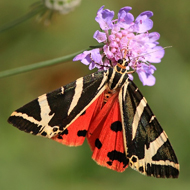
During this year’s Big Butterfly Count, they have been photographed in Cardiff, Birmingham, Essex and Cambridgeshire displaying their striped forewings and vibrant red-orange or yellow hindwings.
Dr Richard Fox added: “The increase we’re seeing in Jersey Tiger moth sightings is a striking example of how climate change is reshaping the distribution of wildlife.
“While it’s a delight to spot such a vibrant moth in gardens, parks and green spaces, it’s also a reminder of how rising temperatures are altering our natural environment.
“This is why the Big Butterfly Count matters. The more people who take part, the more we can learn about how species are adapting, or struggling, in the face of climate change and extreme weather.”
Image (C) Luigi Sebastian, Butterfly Conservation.


 Eligible members of BEVA will be able to vote for their Council team until Monday, 17 August 2026. Members will have received an election email on 17 July.



