


Scientists call for urgent action to reverse decades of decline.
Conservationists have expressed concern about the impact of climate change, habitat loss and pesticide use on the nation’s butterfly populations.
The results of Butterfly Conservation’s Big Butterfly Count have been published, and while the numbers show a marked improvement on the 2024 figures, the charity is calling for urgent action to reverse decades of decline.
A record-breaking 125,000 citizen scientists participated in the Butterfly Count, recording 1.7 million butterflies and moths. Among the top five species were the large white, small white, gatekeeper, red admiral, and meadow brown.
During each 15-minute count, participants recorded an average of 10.3 butterflies and, while the figures show a notable increase on last summer’s record low of seven, conservationists say it is only broadly average by today’s standards.
Good weather and a healthy environment are essential for butterflies to survive. However, the long, hot summer of 2025 appears to have done little to reverse their decline.
Dr Richard Fox, head of science at Butterfly Conservation, said: “Whilst we’ve seen noticeably more butterflies during 2025’s Big Butterfly Count, the figures suggest it’s actually been a pretty average year for them by modern standards.
“The 15-year Big Butterfly Count trends show that more than twice as many widespread species have declined significantly than have increased. And, while most species had a better than average summer, one-third of species fared poorly even in the generally beneficial weather.”
He continued: “There remains a need for us to take urgent action to support our butterfly populations, including by improving the environment in which they live, restoring habitats and reducing pesticide use. Until we do these things we are unlikely to see a great recovery in butterfly numbers, regardless of how much the sun shines.”
Some species, like the large white and small white, recorded their best ever Big Butterfly Count this summer. The Jersey tiger moth also had a bumper year, with the species recorded more widely and in higher numbers than ever before.
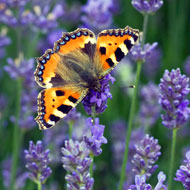
The small tortoiseshell had its worst Big Butterfly Count on record in 2024, and while there was some improvement, it still recorded a below-average year. The species has declined by 60 per cent since 2011.
Image (C) Buttterfly Conservation/Matt Berry


 Eligible members of BEVA will be able to vote for their Council team until Monday, 17 August 2026. Members will have received an election email on 17 July.



