


RVC collaboration could develop new heart disease treatments
PCTS organ platforms can be used to benefit human and animal cardiovascular health.
The Royal Veterinary College (RVC) is to collaborate with Forcefield Therapeutics to further research into precision cut tissue slices (PCTS) organ platforms.
Discoveries from this project are expected to support the development of therapeutic treatments in cardiovascular medicine for both humans and animals.
PCTS organ platforms are often used in human medicine to recreate physiologically relevant 3D microenvironments. This enables scientists to test the efficacy and toxicity of drugs in tissue-like conditions outside of the body.
However, while the platforms are increasingly used in human health, their use in animal medicine is relatively new.
Their growing usage among veterinary medicine is partly attributed to regulatory efforts to reduce the use of animal testing.
PCTS organ platforms, as well as computational models and next-generation in vitro assays, could replace animal specimens in laboratories. It will reduce the use of animals used in research and testing, used to achieve scientific objectives and help refine procedures to improve animal welfare.
In veterinary medicine, the new technology could be used to clarify host-pathogen interactions, guide targeted interviews, support personalised therapies for companion animals, and guide vaccine developments for farmed animals.
Greater development of the technologies could also support human applications of the organ platforms.
Forcefield Therapeutics is expected to benefit from the RVC’s expertise to further its understanding of cardioprotective proteins and validate the large animal model as a way to further human studies. The studies will assess functionality and also provide insights into safety issues.
Meanwhile, the RVC could develop ground-breaking discoveries for companion animals which suffer from similar heart conditions.
Dirk Werling, professor of molecular immunology at the RVC, said: “I am really delighted that Forcefield Therapeutics decided to collaborate with the RVC on testing their amazing approaches.
“If successful, their approach will aid protective medicine approaches for human medicine, but also potentially, in the longer term, aid treatment strategies for similar conditions in companion animals, thus directly linking exciting research to applied treatment through our cardiologists working on the Queen Mother Hospital.”
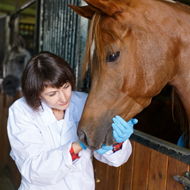
Image © Dirk Werling, Professor of Molecular Immunology at the RVC

 The latest



