


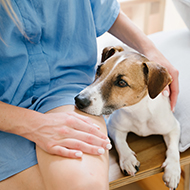
Animals can accidentally absorb hormones through everyday behaviours, like cuddling.
The Veterinary Medicines Directorate is urging vets to report incidents of pets being accidentally exposed to human topical hormone products.
The reminder is part of a series of VMD articles highlighting adverse events that often go underreported.
In this first article, the VMD highlights a review by the Swedish Medical Products Agency suggesting that pets may absorb oestrogen or testosterone by coming into contact with human skin where hormone gels and creams have been applied.
As forearms are a common application site for these treatments, everyday behaviours like cuddling or stroking pets can increase the chance of accidental absorption - a risk that many pet owners are not aware of.
Signs that a pet may have been accidentally exposed to topical hormone products vary by the animal’s sex and whether the animal absorbs oestrogen or testosterone. Female pets may show signs similar to being in heat, whether spayed or not, while males may develop swollen mammary glands and changes in testicular size.
To reduce these risks, the VMD recommends that owners keep pets away from areas of skin where topical hormone products have been applied and wash their hands with soap and water after application. The VMD also advises covering the application site with clean clothing once the product has dried.
Vets made aware of an adverse reaction after exposure to a human hormone product are urged to report it directly via the VMD’s adverse event reporting service.
It said: ‘The VMD will use reports to check if medicines continue to be safe and work as expected, to protect animal health, public health, and the environment’.
Image (C) Iryna Kalamurza/Shutterstock.


 Eligible members of BEVA will be able to vote for their Council team until Monday, 17 August 2026. Members will have received an election email on 17 July.



